

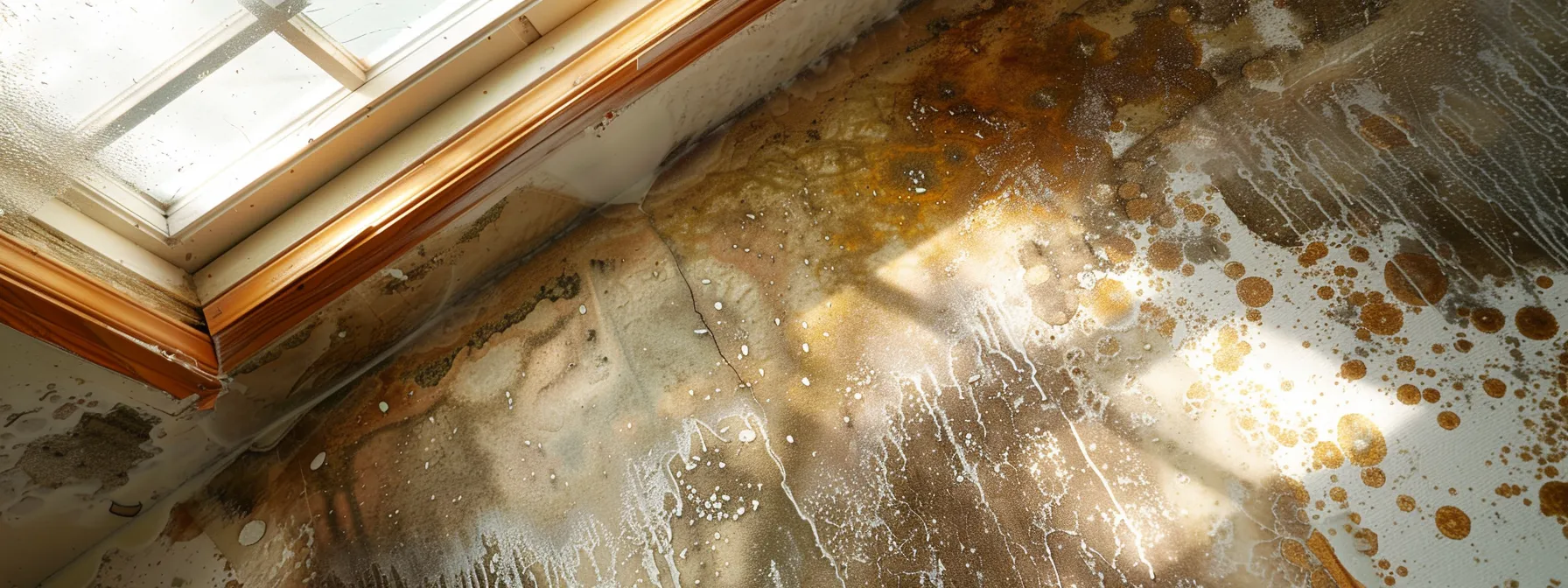
Does Homeowners Insurance Cover Water Damage? Gradual Leaks vs. Sudden Flooding
Discovering water inside your home can immediately raise two major concerns: how much damage has occurred and who will pay to address it. Homeowners insurance can cover many types of water damage, but coverage depends heavily on where the water came from, how quickly the problem developed, and the specific terms of your policy.
In general, homeowners insurance is more likely to cover water damage caused by a sudden and accidental event than damage that develops gradually because of maintenance issues. Standard policies commonly cover accidental water discharge from plumbing systems or household appliances, while flooding, routine wear and tear, and certain sewer backups may require separate coverage.
When Does Homeowners Insurance Cover Water Damage?
A standard homeowners policy may cover water damage when the source is an unexpected event occurring inside the home. Accidental discharge or overflow from plumbing, heating, air-conditioning, fire sprinkler systems, and household appliances are among the water-related events covered by many common homeowners policies. Examples of potentially covered situations include:
- A pipe suddenly bursts and sends water into a wall or room.
- A washing machine hose unexpectedly breaks and floods the laundry area.
- A plumbing fixture suddenly overflows and damages nearby flooring.
- A water line connected to an appliance unexpectedly fails.
- A frozen pipe bursts and causes interior water damage, subject to the requirements of the policy.
Coverage varies by policy, insurer, circumstances, and exclusions. The insurance carrier ultimately determines whether a particular loss is covered.
Damaged Item vs. Resulting Damage
There can also be a distinction between the damaged item that caused the leak and the resulting damage. A policy may cover water mitigation or damage to surrounding building materials without paying to replace a worn-out appliance, pipe, or component that caused the problem. Homeowners should review their individual policies and speak with their insurance carriers about the details of a claim.
Sudden Water Damage vs. Gradual Leaks
Timing is one of the most important distinctions to understand when considering an insurance claim.
Sudden & Accidental Water Damage
Imagine that a plumbing line breaks unexpectedly while you are home. Within minutes, water spreads across the floor and begins soaking into nearby drywall. There was no known ongoing problem and no reasonable opportunity to correct the issue beforehand. This is the type of sudden event that homeowners insurance is generally more likely to address, depending on the policy.
The same principle can apply to sudden appliance leaks. A dishwasher or washing machine that unexpectedly releases water can create significant damage in a short period. Acting quickly can help limit how far the moisture travels and reduce additional damage.
Gradual Leaks & Maintenance Problems
Now consider a different situation. A pipe has been slowly leaking behind a cabinet for months. The surrounding materials gradually deteriorate, staining develops, and moisture remains in the area for an extended period. That situation can be treated differently by an insurer.
Standard homeowners insurance generally does not cover damage resulting from routine wear and tear or poor maintenance. Policies differ, however, and the circumstances surrounding hidden or previously unknown leaks can be complicated. Homeowners should avoid assuming that a claim will automatically be accepted or denied based solely on how long they believe the leak existed.
Does Homeowners Insurance Cover Flood Damage?
The insurance meaning of “flood” is important because homeowners sometimes use the word to describe any large amount of water inside a house. A room flooded by a burst plumbing pipe is different from a home affected by rising outdoor floodwater. Most standard homeowners insurance policies do not cover damage caused by external flooding. Examples can include water entering a property due to an overflowing river or other ground-level flooding.
What About Sewer Backups?
Sewer and drain backups represent another category that homeowners should examine carefully. A typical homeowners insurance policy may not automatically cover a sewer backup. This protection can often be purchased separately or added to a homeowners policy through an endorsement. Review your policy for terms such as water backup, sewer backup, or drain backup coverage. Your insurance agent or carrier can clarify whether you have an applicable endorsement and what limits or deductibles apply.
How Much Does Water Damage Repair Cost?
There is no universal water damage repair cost because every incident is different. A small amount of water confined to one accessible area is considerably different from water that has traveled through several rooms, entered wall cavities, or saturated multiple building materials.
Several factors can influence the overall cost, including:
- The amount of water present
- The source and category of the water
- How long materials have remained wet
- The number of rooms affected
- The materials that need to be removed
- The amount of drying equipment required
- Whether water has entered hidden spaces
- The presence of additional hazards, such as asbestos or microbial growth
Waiting can also allow moisture to spread beyond the area where the original leak is visible. Fast mitigation gives the restoration team an opportunity to identify affected areas, remove water, and begin drying materials as appropriate.
What Happens When You Work With an Insurance Restoration Company?
Dealing with water damage is difficult enough without trying to understand every part of the insurance process at the same time. Working with an experienced water mitigation company can help simplify the restoration side of a claim.
The process commonly begins by determining where the water traveled and documenting the affected areas. Depending on the loss, technicians may extract standing water, remove materials that cannot be retained, set up drying equipment, monitor moisture levels, and document the work performed.
Documentation is especially important during an insurance-related project. Photos, moisture readings, estimates, invoices, and records of mitigation work can help establish the extent of the loss and the services needed to address it.
What Should You Do After Discovering Water Damage?
Your first priority should be limiting additional damage without putting yourself in danger. Stop the source of the water when possible, such as by shutting off a water supply valve. Avoid entering areas where standing water may be in contact with electrical equipment. Next, document what you can safely see. Photos and videos taken early in the process may be useful when discussing the incident with your insurer.
Contact a water mitigation company promptly rather than waiting for soaked materials to dry naturally. Moisture can travel underneath flooring, behind walls, and into other areas that are difficult to identify without the appropriate equipment. You should also contact your insurance carrier or agent when filing a claim. Ask about your deductible, applicable coverage, exclusions, claim requirements, and any steps the insurer expects you to follow.
Get Help With Water Damage & the Insurance Process
EcoDry Restoration is a family-owned and -operated company that has served property owners since 2014. Our certified and experienced crew handles residential and commercial water mitigation, and we strive to arrive within 60 minutes when disaster strikes. We are licensed, bonded, and insured, and our work is backed by a two-year warranty.
We also understand that an unexpected loss can create financial concerns. We accept insurance work, can assist with applicable deductibles, and have financing options available for water mitigation projects, including 0% down for 12 months.
Most importantly, you do not have to navigate an insurance restoration project alone. Contact EcoDry Restoration for a free assessment. Our team works directly with all major insurance carriers to help file claims, coordinate the mitigation process, and get your property on the path toward recovery.
Leave a comment